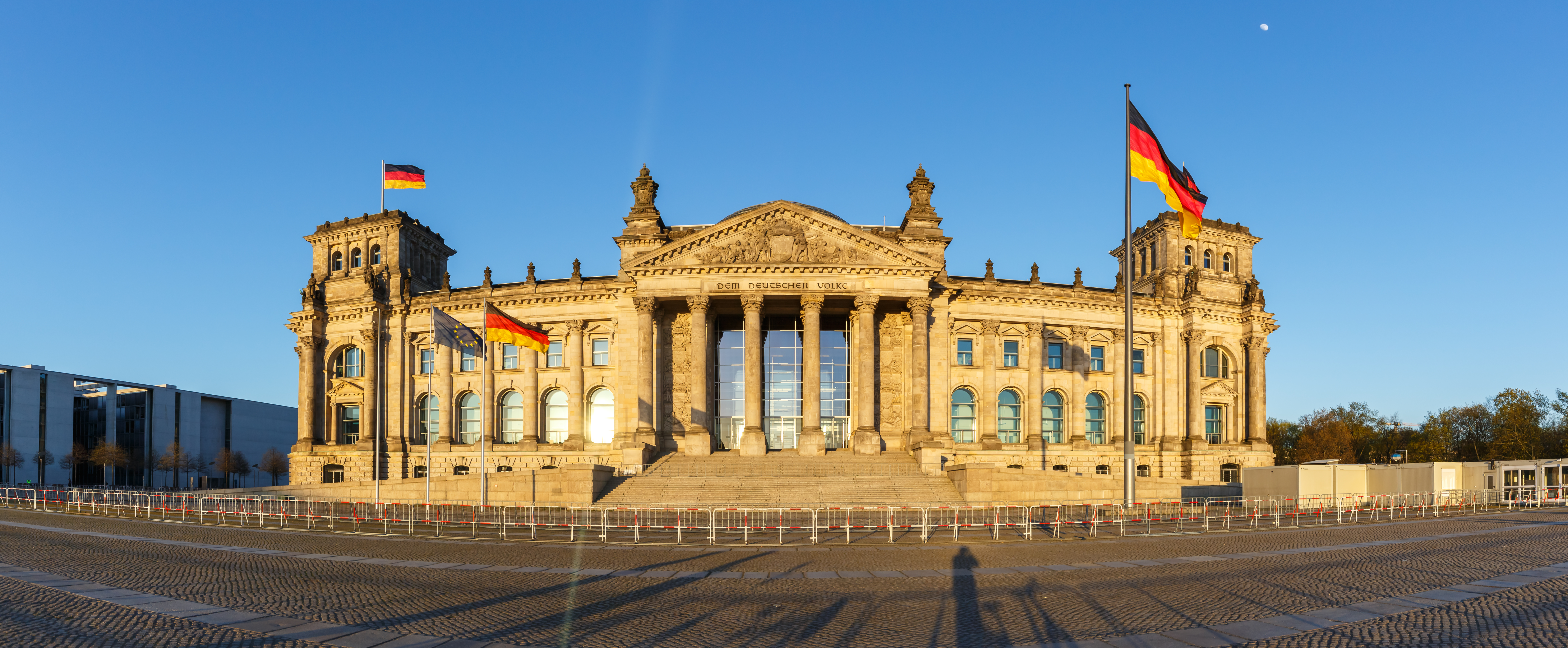
Kuliah di
Germany
Choosing Germany as your study destination means stepping into a country known for academic excellence, cutting-edge research, and strong industry connections. With universities that emphasize innovation and hands-on learning, students graduate with skills that are highly valued by employers worldwide. Many international alumni from Germany continue their careers across Europe and beyond, contributing to global companies, startups, and research institutions.
Living in Germany as a student means enjoying a high quality of life in a country that values efficiency and balance. Cities are clean, safe, and easy to navigate thanks to an excellent public transport system. From relaxed coffee spots and fresh food markets to diverse international dining, students have plenty of options to suit their lifestyle. Beyond academics, Germany offers endless opportunities to explore culture, creativity, and nature, with museums, concerts, historic streets, and lively urban spaces enriching everyday life.
Informasi Edukasi
- Globally respected education system known for academic excellence and innovation
- Wide choice of public and private universities, including Universities of Applied Sciences (Hochschulen)
- Many English-taught degree programs, particularly at the master’s level
- Excellent opportunities for internships, research projects, and industry placements during study
- International students may work part-time while studying to gain professional experience
- Generous post-study stay options, allowing graduates to remain in Germany to seek employment
- High employability and strong career prospects after graduation, especially in technical fields
- High quality of life with efficient infrastructure, healthcare, and public transport
- Safe, stable, and well-regulated country with a strong social system
Student Visa
International students who plan to study in Germany need a National Visa (Type D) for study purposes. This visa is required for students enrolling in academic programs longer than 90 days. After arriving in Germany, students must convert the visa into a student residence permit at the local Foreigners’ Office (Ausländerbehörde).
For short courses or language programs lasting less than 90 days, a Schengen (Type C) visa may be sufficient, depending on nationality. The type of academic program and duration of study will determine which visa is required.
Students are also required to show proof of financial resources, commonly through a blocked account, to cover living expenses during their study period.
Type D visa requires unconditional admission, €11,904 blocked account (€992/month, providers: Coracle/Expatrio), health insurance, accommodation proof; apply via VIDEX at embassy, €75 fee, 6-12 weeks processing. Residence permit (within 90 days post-arrival): biometric photo, Anmeldung, health insurance, finances; €100-110 fee, 4-6 weeks.
Accommodation
Most universities in Germany do not automatically provide dormitories, but students can apply for accommodation through Student Services (Studentenwerk) or find private housing off-campus. Due to high demand, students are strongly advised to apply for accommodation as early as possible.
All students must register their address at the local residents’ registration office (Einwohnermeldeamt) shortly after arrival in Germany.
Apply via studentenwerk.de portals 6-12 months early; waiting lists common in Berlin/Munich.
On-campus / Student Dormitory Accommodation
Student dormitories managed by Studentenwerk are a popular choice due to their affordable rent and student-friendly environment. Rooms are usually single or shared apartments.
- Facilities generally include:
- Furnished rooms
- Shared or private bathroom
- Shared kitchen
- Internet access
- Laundry facilities
Dormitories are often located close to campus or easily accessible by public transport.
Rents €250-€450/month single rooms, €200-€350 shared WG; max 6-10 semesters stay, subletting restricted to breaks. High demand: 2,500+ rooms in areas like Essen/Duisburg.
Off-campus Accommodation
Students who prefer more independence can live in private apartments or shared flats (WG – Wohngemeinschaft). Off-campus housing can be found through online platforms, university notice boards, or real estate agents.
Rental costs vary depending on the city, size, and condition of the accommodation, with major cities such as Munich, Frankfurt, and Berlin being more expensive than smaller cities.
WG via WG-Gesucht.de (€400-€800/month Berlin/Munich); studios €600-€1,200; utilities/Kaution extra; Anmeldung needed within 2 weeks.
Part-Time Work
International students in Germany are allowed to work part-time while studying. As of 2025–2026 regulations, students may work:
Up to 140 full days or 280 half days per year, or
Up to 20 hours per week during the semester
During semester breaks, students may work full-time. Part-time work provides valuable professional experience and helps cover living expenses, especially in sectors such as hospitality, retail, research assistance, and industry-related roles.
Non-EU limit: 140 full/280 half days/year (mandatory internships exempt); >20h/semester needs Ausländerbehörde permission for hardship. Min wage €12.82/hour; jobs via HiWi/Jobbörse, no freelancing without approval.
1. Primary & Secondary Schools
Primary and secondary education in Germany is offered by public and private schools, including international schools. Compulsory education lasts 9-10 years depending on the federal state. After upper secondary school, students obtain qualifications such as the Abitur or Fachhochschulreife, which are required for entry into universities or Universities of Applied Sciences in Germany and abroad.
Tuition fees at international secondary schools generally range from EUR 10,000 - EUR 25,000 per year.
International schools (e.g., Berlin Brandenburg International School) offer IB/AP curricula; fees €15,000-€30,000/year with boarding options. Public schools free for residents; Abitur via digital exams in select states.
2. Language Programs
Germany offers German and English language programs for international students who do not yet meet language requirements. German proficiency is commonly proven through TestDaF or DSH, while English-taught programs accept IELTS or equivalent.
Programs range from short courses to one-year intensive programs, with average fees of EUR 250 - EUR 500 per week.
Goethe-Institut/VHS intensive courses (A1-C2) €300-€600/week; English IELTS prep at Tandem/Berlitz. Visa-exempt <90 days; Studienkolleg prep includes language.
3. Vocational & Professional Education (Ausbildung)
Germany is well known for its dual vocational training system, combining classroom study with paid practical training. Programs focus on job-ready skills and lead to professional qualifications. Some pathways allow progression to higher education.
Many Ausbildung programs have low or no tuition fees, and students may receive a monthly allowance.
3-year Ausbildung (e.g., ITK, Mechatronics) via IHK; trainee salary €900-€1,500/month rising yearly, non-EU visa possible with B1 German. 500+ occupations.
4. Foundation / Preparatory Programs (Studienkolleg)
Foundation programs prepare international students for entry into German universities and typically last 6-12 months, focusing on academic subjects and German language.
Fees range from EUR 6,000 - EUR 15,000 per year, depending on the provider.
Public Studienkollegs (Fachhochschulreife/Abitur prep) €0-€500/semester + language; private €8,000-€12,000. Feststellungsprüfung required for uni entry.
5. Undergraduate Degree (Bachelor)
Bachelor’s degrees in Germany usually take 3-4 years and are offered by public universities and Universities of Applied Sciences. Degrees are internationally recognized.
Most public universities charge no tuition fees, except in Baden-Württemberg, where non-EU students pay around EUR 1,500 per semester. Students are required to pay a semester contribution of approximately EUR 250 - EUR 350.
Baden-Württemberg €1,500/semester non-EU confirmed; semester fees €200-€400 include Deutschlandticket. Uni-assist/uni portals via DoSV; 50% English-taught BAs.
6. Postgraduate Degree (Master & Doctorate)
Master’s programs last 1-2 years, while Doctoral programs typically take 3-4 years, with a strong emphasis on research and industry collaboration.
Tuition fees at public universities are generally low or free, with only semester contributions required. Some specialized or private programs may charge higher fees.
Masters free except BW €1,500/semester; PhDs salaried €2,000+/month via DFG/DAAD. Individual promotions common; 70% English-taught Masters.
Geo & Budaya
Universitas Terkemuka di Germany
Search:

We Didn't Find What You Mean
Try again or make sure you enter the correct keyword
Negara Lainnya
Connect with SUN Education