Kuliah di
Sweden
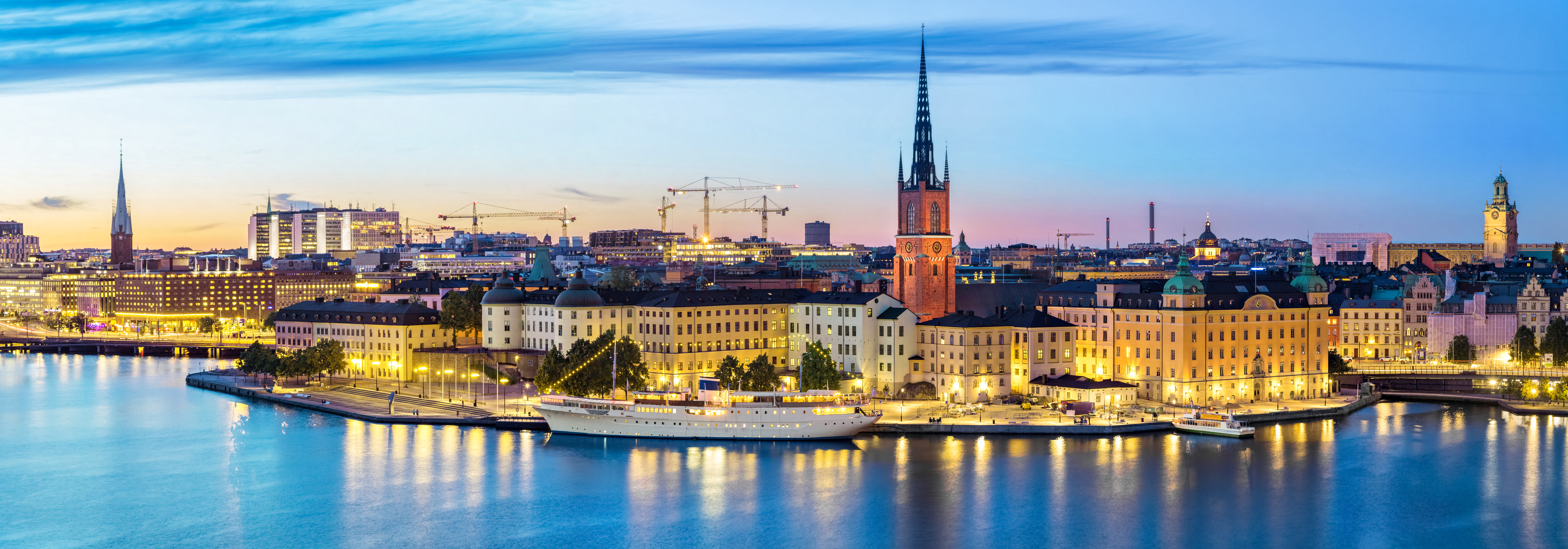
Sweden hosts approximately 40,000 international students annually, with around 39,800 enrolled in higher education institutions as of the 2021/22 academic year, predominantly from Europe but increasingly from Asia including Indonesia, reflecting a 19.5 percent rise from prior years. The nation boasts a substantial alumni network, with tens of thousands of former international graduates contributing to global industries; notable Indonesian alumni from universities like Lund and KTH often secure roles in renewable energy and tech, enhancing bilateral ties through knowledge transfer and investments back home.
Post-study contributions remain strong, as graduates leverage a 12-month job search extension visa, leading to high employment rates where over 70 percent remain in Sweden or return with advanced skills, bolstering sectors like sustainable engineering vital for Indonesia's green transition. Living and studying prove seamless, with English fluency among Swedes, efficient public services, and student discounts simplifying bureaucracy, while short programs and flexible schedules afford work-life balance amid safe cities.
Facilities excel through modern campuses featuring cutting-edge labs, libraries, and wellness centers at top universities like Uppsala and Stockholm University, which accommodate over 4,000 internationals each. Culinary lifestyles dazzle with fusion options blending Nordic staples like meatballs and herring with global cuisines including halal Indonesian fare in urban multicultural eateries, supported by affordable student cafeterias offering subsidized meals around SEK 30-50.
Transportation thrives via extensive networks of punctual trains, trams, and buses under SL or Västtrafik systems, with monthly student passes costing SEK 300-600 granting nationwide access, complemented by widespread bike-sharing and electric scooters. Shopping centers abound, from Stockholm's NK and Mall of Scandinavia to Gothenburg's Nordstan, providing diverse retail, high-street brands, and IKEA outlets with student promotions, ensuring convenient access to daily needs and leisure.
Informasi Edukasi
- Globally recognised universities with strong international rankings
- Wide range of English-taught Bachelor’s and Master’s programs
- Innovative, student-centred teaching style focused on critical thinking
- Strong links between universities, research, and global industries
- Excellent career prospects in technology, sustainability, engineering, and business
- Safe, inclusive, and high quality of life
- Opportunity to stay and work after graduation
Visa & Health Insurance
Non-EU/EEA international students, including Indonesians, are required to apply for a Swedish Residence Permit for Studies before entering Sweden if planning to stay for more than three months. This permit is usually granted for the full duration of the study program, provided students can show proof of admission, sufficient funds for living expenses, and valid health insurance.
Important for Indonesian travelers: Indonesia is not currently on the ETIAS visa-exempt list. Indonesian citizens traveling to Sweden must obtain a Swedish residence permit through the standard process. However, starting in late 2026, the new European Travel Information and Authorization System (ETIAS) may introduce changes; currently, no ETIAS requirement applies to Indonesian passport holders, but students should verify status with the Swedish Migration Agency before travel.
Health insurance is mandatory for international students. Students studying for less than one year must arrange private international health insurance, while students enrolled in programs longer than one year are usually registered in the Swedish national population system and gain access to Sweden's public healthcare services at subsidized rates. University-partnered plans typically cost SEK 6,800-8,500 annually (approximately EUR 650-810), while private international plans range from SEK 4,200-6,500 per year (EUR 400-620). Estimated private insurance costs range from EUR 300-EUR 600 per year, though comprehensive university-sponsored plans may cost slightly more to meet full residence permit requirements. Once registered with a Swedish personal identity number (personnummer), patients pay a maximum of SEK 1,450 annually (approximately EUR 138) for out-of-pocket healthcare costs, with all care free after reaching this cap.
Accommodation
Accommodation in Sweden is well-organized but highly competitive due to surging demand from international students; early application is strongly recommended, especially for popular cities like Stockholm and Gothenburg.
University Housing
Many universities offer student dormitories or housing through university-affiliated providers. These typically include single rooms or shared apartments with basic furnishings. University accommodation in Stockholm ranges from SEK 24,000-89,250 per semester (approximately EUR 2,300-8,500), depending on room type and amenities. Monthly costs usually range from EUR 300-EUR 600, depending on city and room type; applications for spring 2026 housing open in October with strict application deadlines (e.g., October 15-29 for spring 2026).
Private Rentals and Shared Apartments
Students may also rent rooms or apartments through private housing companies or shared housing platforms. This option provides more flexibility but can be more expensive. In central Stockholm (Flemingsberg, Kungshamra, Albano areas), expect to pay SEK 4,200-8,000 per month for a shared or private room, while 1-2 bedroom apartments cost SEK 15,000-25,000 monthly. Estimated monthly rent ranges from EUR 450-EUR 800, especially in major cities like Stockholm. The Stockholm rental market has experienced 3-7% annual increases since 2024, with further growth anticipated in 2026.
Student Corridors (Studentkorridor)
A popular option in Sweden, student corridors offer private rooms with shared kitchens and common areas, fostering student community engagement. Costs generally fall between EUR 350-EUR 550 per month, with locations such as Lappis, Kungshamra, and Albano near major university campuses offering vibrant student environments.
Part-Time Work
International students in Sweden holding a residence permit for studies are allowed to work part-time without a strict hourly limit during their studies, as long as work does not interfere with academic progress. To be paid for work, students must obtain a Swedish personal identity number (personnummer), which is automatically issued upon registration in the Swedish population register.
Common student jobs include roles in retail, cafés, restaurants, customer service, and campus-related positions. Student wage rates in Sweden follow collective bargaining agreements by sector rather than a single minimum wage; hotel and restaurant sectors typically offer SEK 25,000-26,000 per month for full-time employment, while retail offers similar rates. There is no separate minimum wage for international students, all workers, regardless of origin, must be paid according to the collective agreement for their role. The average student wage ranges from SEK 100-150 per hour (approximately EUR 9.50-14.30 per hour), depending on job type and location, with no official cap on weekly work hours during term time. While knowledge of Swedish is beneficial, many part-time roles especially in international environments are available in English.
Post-Graduation Employment
After graduation, international students can apply for a residence permit to stay in Sweden and look for full-time employment for approximately 12 months, providing a critical window to secure work. Starting June 1, 2026, new work permit applications require a minimum salary of SEK 33,390 per month (90% of Sweden's median wage), up from the current SEK 29,680, as part of stricter labor immigration reforms. However, 152 shortage occupations in sectors like healthcare, IT, and engineering may qualify for exemptions from the salary threshold. Processing times for work permits have improved significantly; high-salary and shortage occupation applications now average 18-52 days, compared to 116 days for standard applications.
Sweden's higher education system consists of universities and university colleges, all regulated by the Swedish government to ensure high academic standards. All qualifications from state-recognized higher education institutions whether universities, university colleges, or independent providers carry equal official value under the same legislation and degree ordinances. Degrees follow the Bologna system, making them internationally recognized across Europe and beyond through the framework of the European Higher Education Area (EHEA) and ensuring mutual recognition of qualifications.
Degree Structure
Bachelor's Degree (Kandidatexamen): 180 ECTS credits, 3 years requires an independent project (degree project) worth 15 credits in the main field of study.
Master's Degree: 1 -2 years in two variants:
- Magisterexamen (60 ECTS credits): minimum 30 credits in the main field, including a 15-credit degree project
- Masterexamen (120 ECTS credits): minimum 60 credits in the main field, including a minimum 30-credit degree project
Doctoral Degree (PhD/Doktorsexamen): 4 years (240 ECTS credits), including a research thesis of at least 120 credits.
Academic Calendar
The academic year usually starts in August or September, with some Master's programs also offering January intakes, allowing flexibility for international students to align studies with their schedule. For example, the 2026 autumn admissions round opened October 16, 2025, with an application deadline of January 15, 2026. Spring semester 2026 commenced January 19, while autumn 2026 will begin in late August.
Approximately one-third of Sweden's higher education programs are taught entirely in English, with approximately two-thirds in Swedish, providing substantial English-medium opportunities for international students across all degree levels.
Teaching Approach
Swedish higher education emphasizes highly interactive, collaborative pedagogies that move away from traditional lecturing toward learner-centered models. Teaching methods are designed to develop critical and analytical thinking, independent research capabilities, problem-solving, and leadership skills.
Student-Centered Education
Students are at the center of the educational experience at Swedish universities. There is minimal formal hierarchy; teachers and students typically interact on a first-name basis, replacing traditional academic structures with more collaborative approaches where students are treated as junior colleagues. Teachers provide significant support in pedagogy and make themselves available to ensure deep content understanding, while students are expected to develop independent learning skills.
Interactive Lectures and Seminars
Most instruction occurs in lectures to groups of 25 -30 students, with attendance expected. However, lectures are highly interactive rather than one-directional; they incorporate open discussion, question sessions, and dialogue between instructors and learners. Seminars and workshops regularly feature small-group discussions where students analyze and present solutions to given problems.
Group Work and Teamwork
Group work is a central component of Swedish higher education pedagogy. Students practice teamwork in small groups, often across different cultural backgrounds within increasingly diverse international classrooms, to develop problem-solving and leadership skills while simulating real-world workplace dynamics. Swedish universities provide structured training and support for effective group work; for instance, Uppsala University offers faculty professional development courses on "Group Dynamics and Group Work" to help teachers guide students in collaborative learning. Group work is assessed through both process (group dynamics, collaboration) and product (final deliverable) evaluations.
Case Studies and Real-World Application
Teaching methods emphasize critical analysis of course content through real case studies wherever possible. International guest lecturers and speakers from business, government, NGOs, and research regularly feature in curricula to connect academic studies with professional practice and contemporary issues. This approach mirrors the evolving pedagogical framework where technology complements rather than replaces human interaction and proven teaching methods.
Independent Study and Problem-Based Learning
A large portion of learning occurs outside the classroom as students read, discuss, and analyze course material independently. Students are trained through study techniques taught in classrooms and via study advisors and workshops to assess large amounts of information efficiently. This prepares them for the research-intensive demands of higher education and knowledge-intensive careers. Problem-based learning (PBL) and project-based learning increasingly feature across Swedish institutions, requiring students to tackle complex, real-world problems individually and collaboratively.
International Recognition and Certification
All Swedish degrees include a Diploma Supplement automatically issued at graduation, standardized by UNESCO and the European Commission, which provides detailed information about the qualification for international employers and educational institutions. As of January 1, 2024, all Swedish qualifications are issued in digital form through the Ladok system with e-stamps enabling verification by recipients.
For Indonesian students specifically, Swedish universities' emphasis on independent critical thinking, multicultural group collaboration, and discussion-based learning creates an intellectually rigorous yet inclusive environment. The focus on practical application and guest speaker contributions from global professionals ensures that curricula remain relevant to international career trajectories.
Geo & Budaya
Universitas Terkemuka di Sweden
Search:

We Didn't Find What You Mean
Try again or make sure you enter the correct keyword
Negara Lainnya






Connect with SUN Education